

These have been some very busy weeks at work, and I still have to decide which direction this Substack will take, but since they’re going to take my Kosmos shares away tomorrow because of the short calls, let’s introduce another interesting oil producer: Afentra PLC.
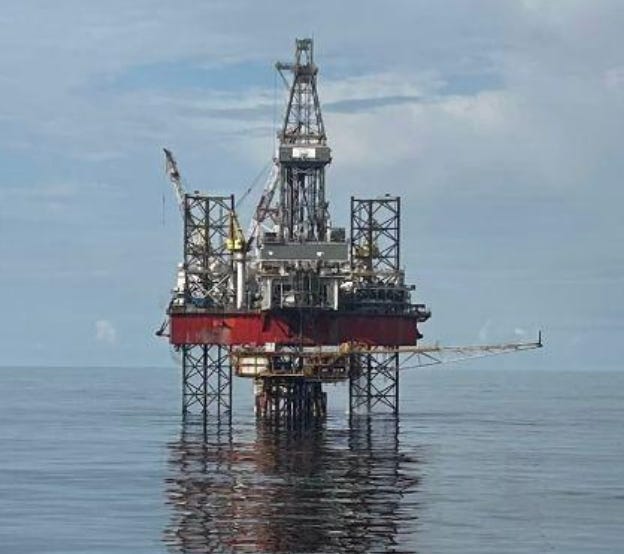
I didn’t have Afentra PLC (AIM: AET) in my portfolio. In fact, I only knew a little bit about the company from the Pareto Energy Conference, which I am looking forward to attending again in September: an interesting story in Angola, an experienced management team that had come from the former Tullow Oil, including the development of the Jubilee Field.
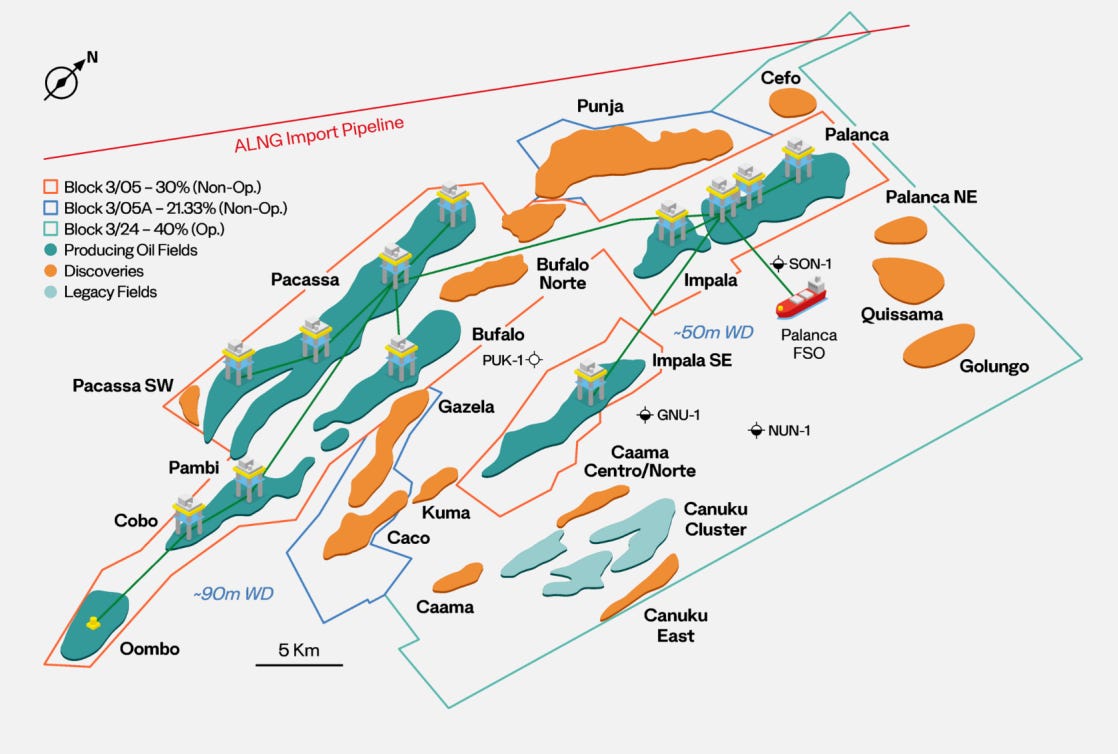
That changed on the 11th of August, when they published an operating update that caught my eye. Basically, the company announced the results of a drill in Pacassa SW that nearly doubled the 2P reserves of the company (from 35mmbo to 58mmbo), with first oil expected in Q3.
What really got me interested was that the stock was only up 10%, just 3GBX above the recent raise in which institutions and insiders had participated, so I was able to build a position at 70GBX, nearly at the same price as them but after knowing the results of the drill. Another good detail is that the drill was carried out from the existing infrastructure, i.e., at a very low cost.
Furthermore, Afentra announced that the Impala-1 well, which had remained shut in since 2017, had been successfully returned to production via a slickline intervention that removed a shallow wellbore obstruction. During production testing, the well achieved gross flow rates of up to 4,700 bopd and has been producing at around 3,000 bopd, with production intentionally constrained to manage water cut and longer-term reservoir performance.
In addition, Drilling of Impala-2 is expected to commence after Pacassa SW, with results expected by end-Q4/26. The well is targeting 4,000 bopd gross.
In short, the operational update seemed too good to me for the stock not to rise further. Ten days later, it has risen 10%, but I understand that a large part of that is due to the rise in oil prices.
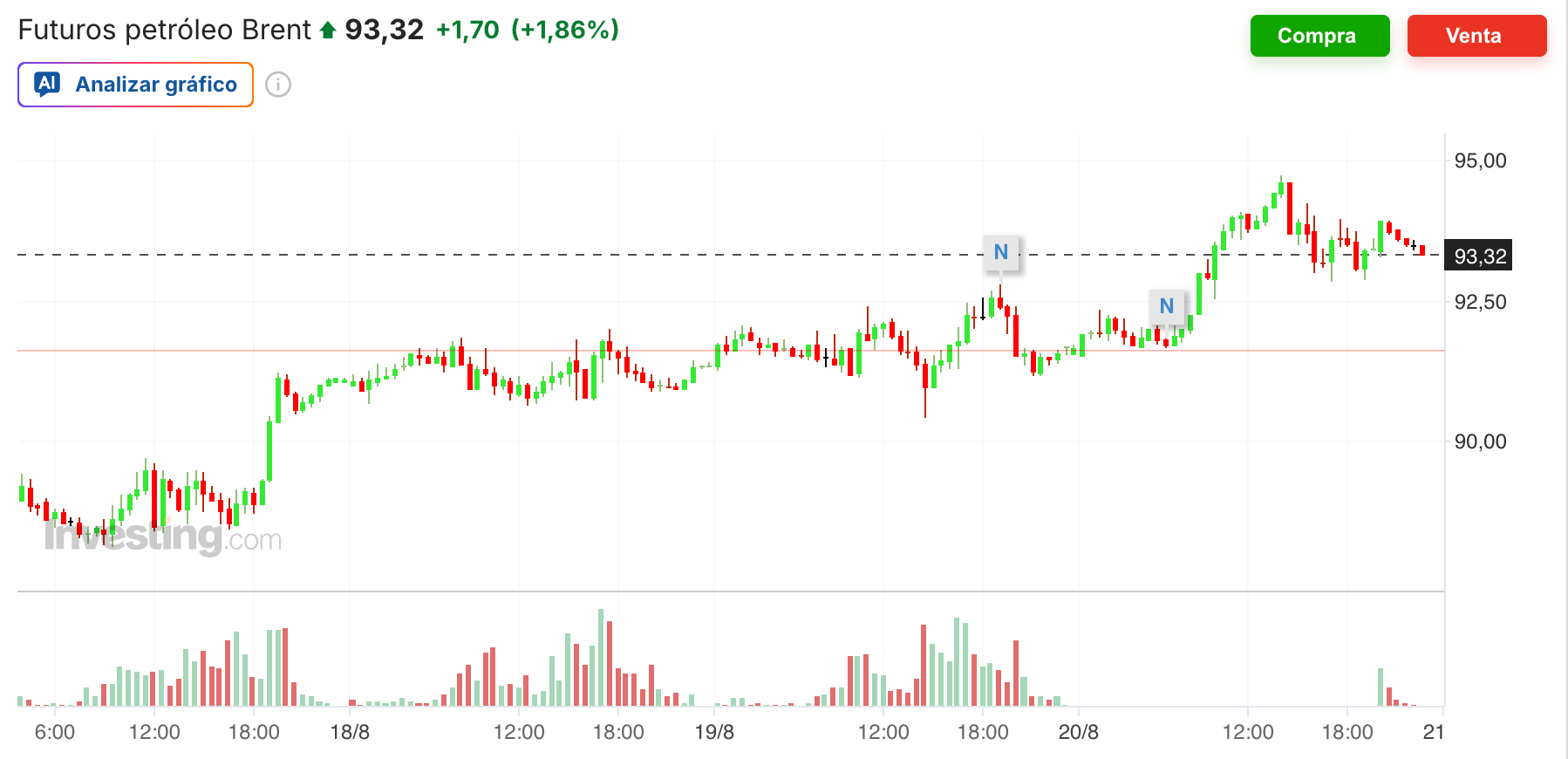
As for the reasons for this rise, I expressed my view in an article on the 3rd of August about how deadlocked I saw the situation in Iran to be, and of course, despite attempts to keep prices in check with false headlines, it doesn’t seem like any progress has been made; quite the opposite.
But the thing is also that, China (remember the new swing importer?) has returned to the market, to a certain extent, at least, and it’s bidding up for Atlantic barrels. The number of VLCC fixtures bound for China from West Africa, Brazil, and even the U.S. that I’ve seen this week is significant and early evidence of this. The advantage of having access to the fixtures is that it allows you to anticipate what’s going to happen before ship-tracking platforms like Kpler or Vortexa record it. Keep in mind that these are voyages that will begin in September.
Coming back to Afentra, this isn´t meant to be a detailed article, just an introduction to a company that is set to double production in the near term.
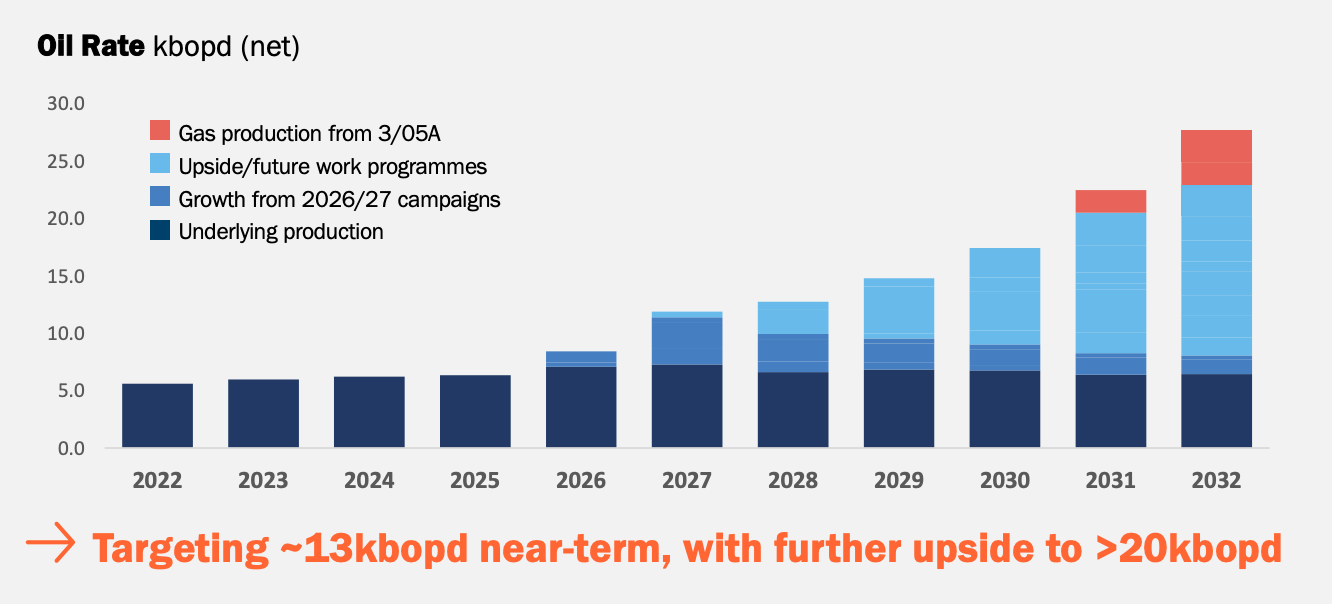
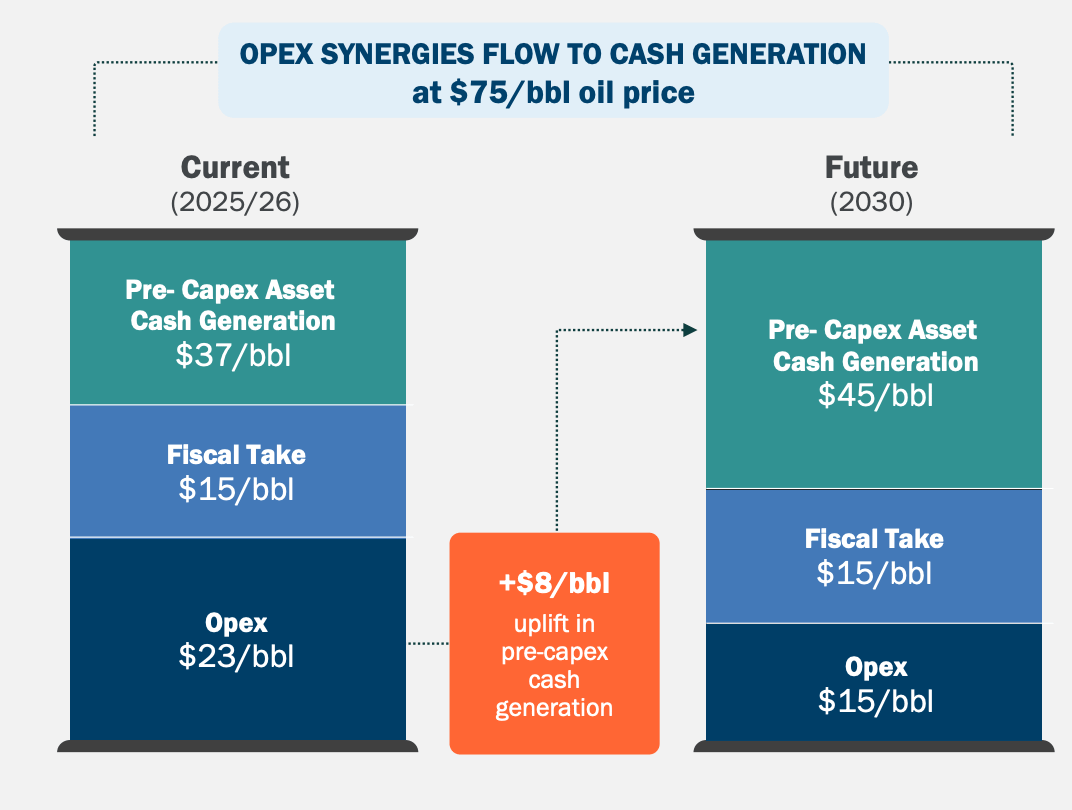
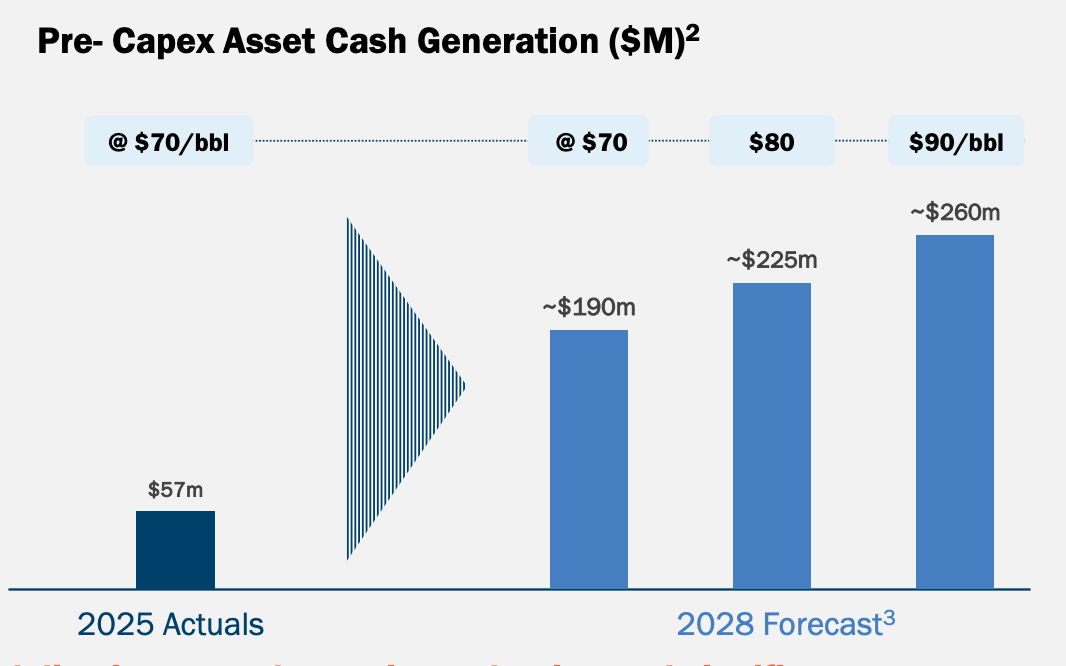
Has a pretty decent pre-capex cash flow generation even at 75$, which should increase once fixed costs are diluted into higher production.
I highly recommend this short interview with the CEO, Paul McDade, in which he discloses that he expects net production to reach 10,000 bopd at the end of the year.
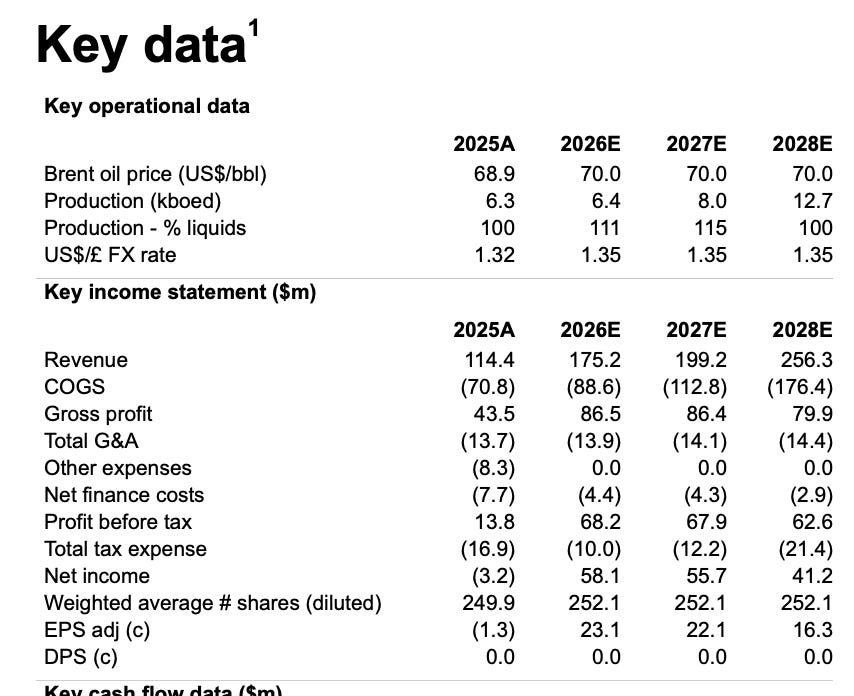
In closing, Afentra has a net cash position and is fully funded to finance its ambitious growth program. I think that the company is undervalued, and I wouldn’t rule out seeing it above 90GBX in the short term if the oil price holds. These are Stifel estimates with oil at 70$, and 2027 net production of 6,400 bopd, but remember the CEO told us they will be producing 10,000 bopd at year-end!
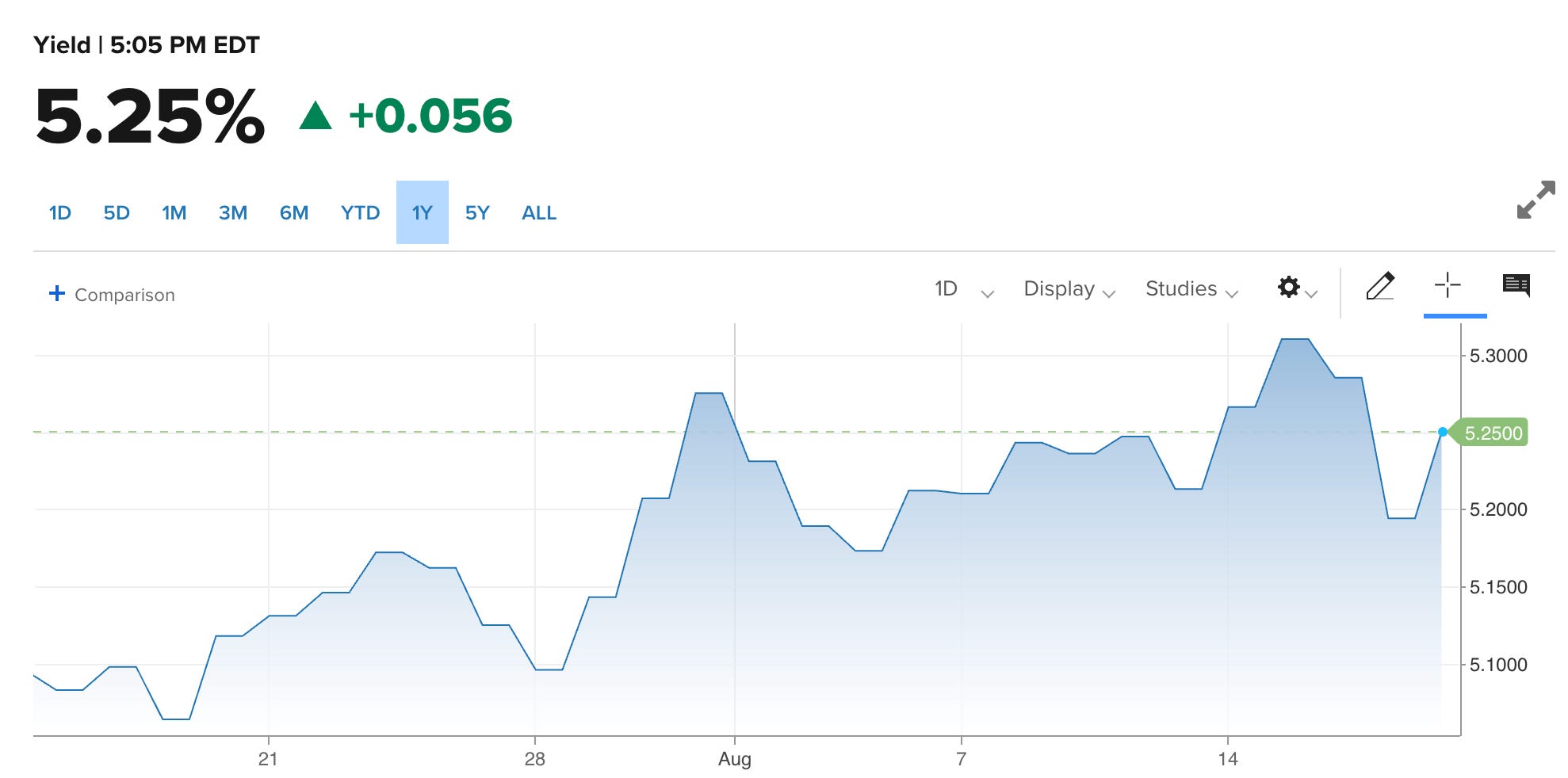
The other interesting development lately is what's been happening with the USD. Back in July, Japan and the US intervened in the yen to stop it from sliding further, the first time they've done so since 1998. The US lent dollars to Japan so it could buy yen directly, avoiding the need to sell US Treasuries to fund the intervention, which would have pushed Treasury yields even higher. Nonetheless, the yen soon retraced half of the move, and the 30y yield reached 5.33%, levels not seen since 2007.
Then, yesterday, came the next chapter of this show, with Bessent announcing that the mechanism to buy back long-term debt was being doubled (oh surprise!) until one day after the midterms. Unsurprisingly, with oil up again today, long-term yields have retraced half of yesterday’s drop. It may also be a matter of credibility.
On the other hand, also unsurprisingly, USD hasn´t recovered even partially from yesterday’s drop. You can control (or at least try) the yields or the currency, but not both. Gold has also held the gains, and that is very telling.
US debt stands at 40 trillion, and the fiscal deficit is growing at a higher pace in peacetime. Kevin Warsh, FED Chair, despite the theater, will be forced not to raise rates, he will find a reason. After all, he was chosen by Donald Trump to ease monetary conditions. Maybe he cannot cut rates, but keeping them unchanged in an inflationary environment still means real rates.
Consequently, I am convinced we are heading into a lower-dollar, inflationary environment, and guess who the winner is in such a situation? You may have guessed: commodities and hard assets, the more scarce, the better.
But that is a topic for another day; it is getting late, and tomorrow will be another loaded one. Let me know in the comments if you enjoy this kind of article.
Very interesting
I enjoyed the article! Thanks for sharing